🎓 Ace Your Thesis

Kits that survive your defense.

Pre-tested platforms with documented code, real BOMs, and reproducible results. Stop debugging your dev board at 3am and start writing the chapter.
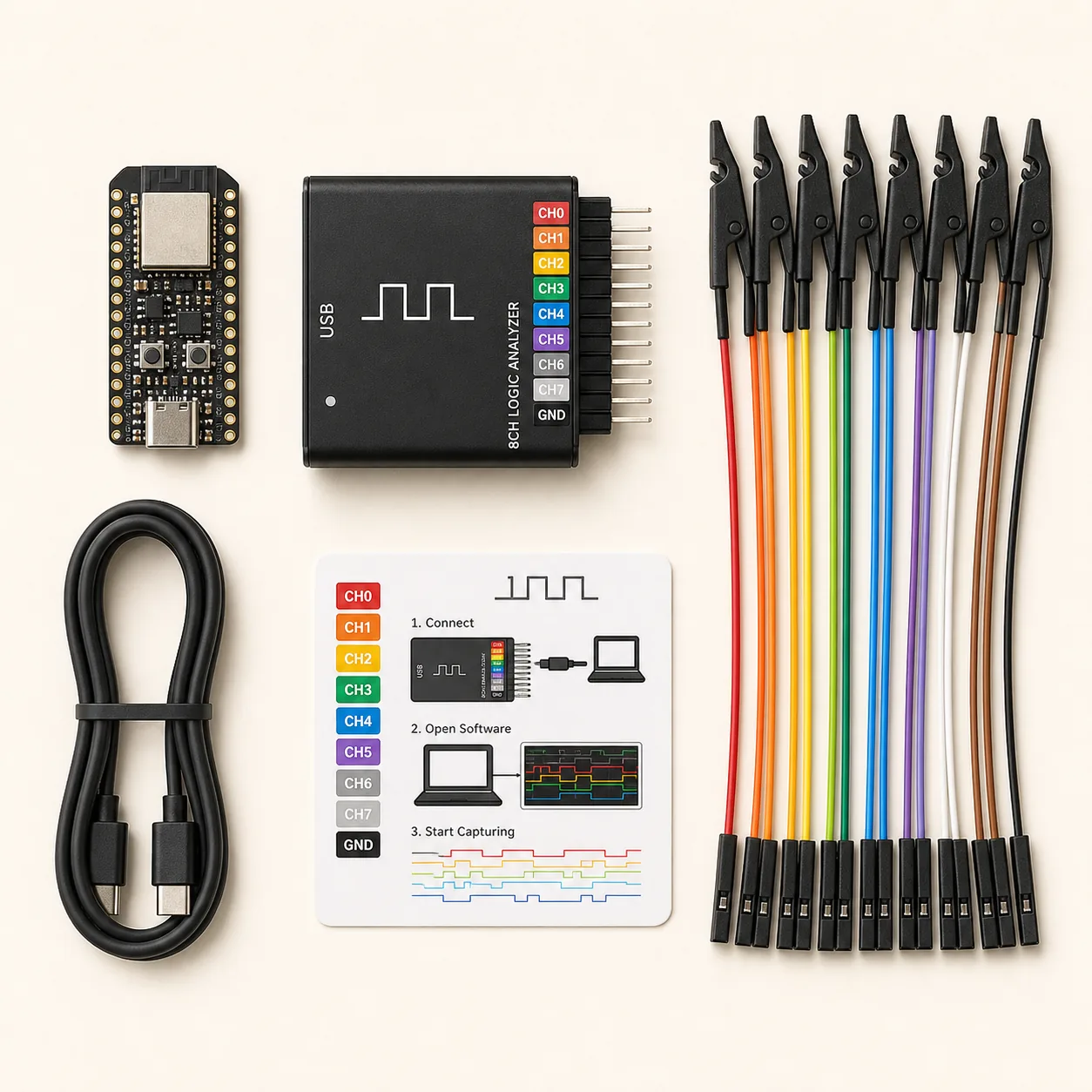
Logic Analyzer Rig - 8-channel logic analyzer kit for signal analysis
Signal processing

Logic Analyzer Rig

8-channel 24MHz capture with live protocol decode. Real waveforms for the results chapter.

$49.99View Kit
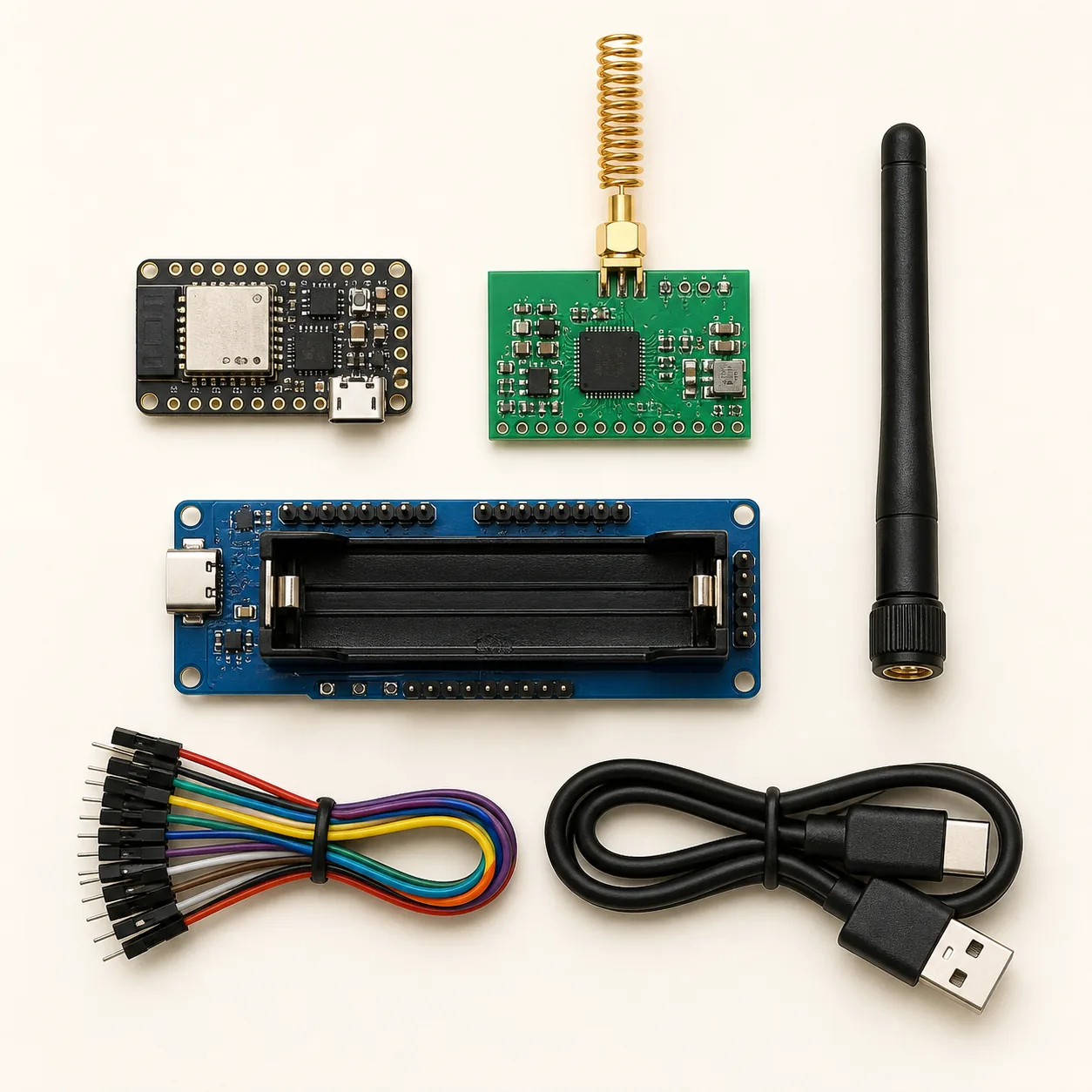
LoRa Long-Range Node - ESP32 SX1276 wireless link kit
Wireless

LoRa Long-Range Node

SX1276 + ESP32, 12km line-of-sight tested. Reproducible RF link data.

$54.99View Kit
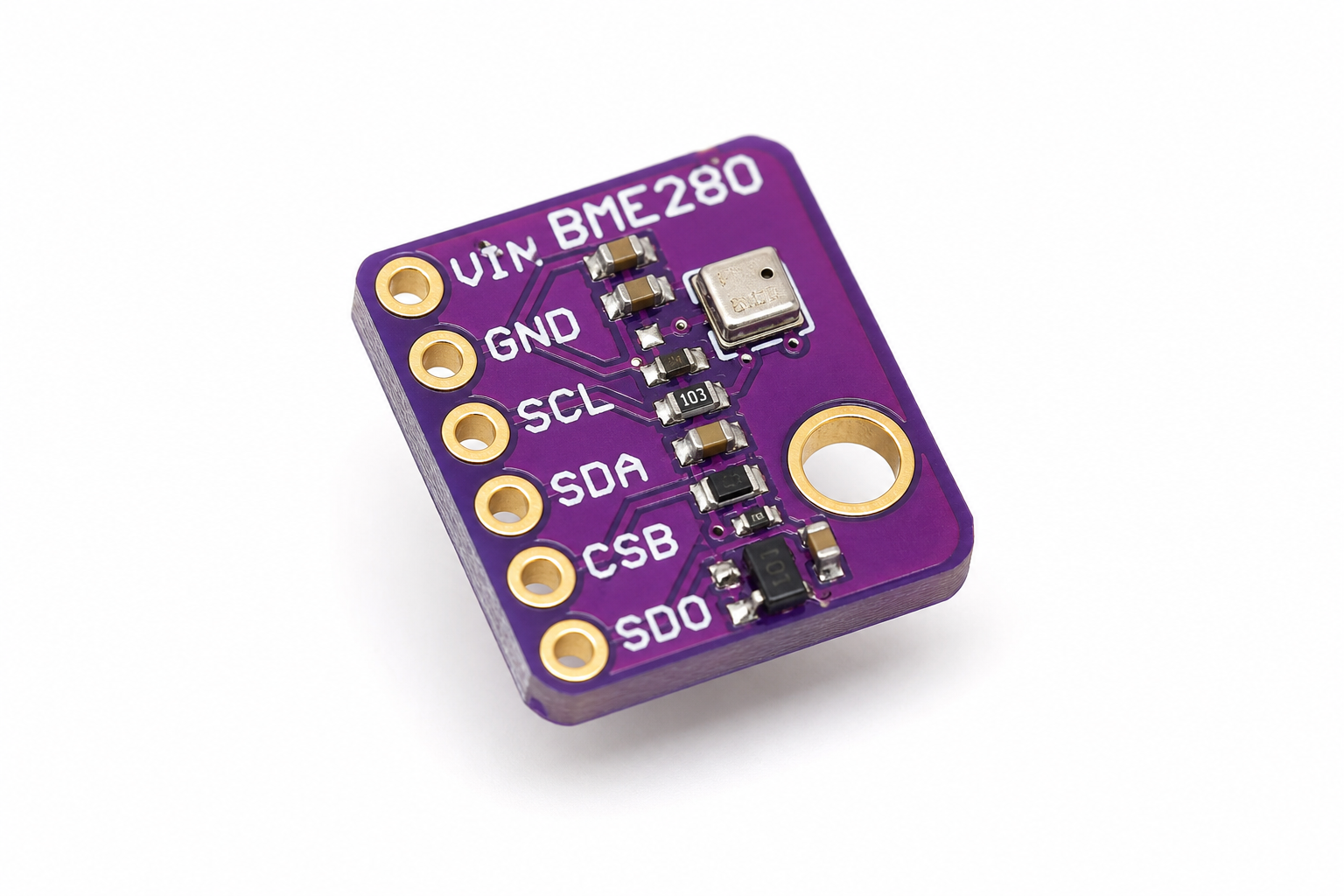
BME280 temperature pressure humidity sensor module
Sensing

BME280 Environmental Sensor

I2C temperature, humidity and pressure. The environmental logger workhorse.

Browse all kits →

Ace Your Thesis: Documented, Reproducible ESP32 Projects

The SensBench thesis pathway is built for the one requirement professors actually grade: reproducibility. Every stage of your build — simulation, code, wiring, test results — is documented and re-runnable.

A results chapter you can regenerate

Simulated runs produce repeatable data: the same firmware on the same virtual bench, with no flaky jumpers. Screenshots and serial logs stay consistent between your draft and your defense.

Cite real engineering practice

The Knowledge Base explains the why — pull-up sizing, I2C address traps, brownout behavior — with worked values in the format examiners expect. The ESP-IDF FAQ covers toolchain questions for engineering programs.

Work anywhere

Dorm lab, library, parents’ house — the simulator runs in a browser tab. No carrying boards, no “the hardware was booked” excuses, and the 243 examples double as starter code.

FAQs

Is a simulation acceptable as an experiment? For firmware behavior and integration logic, yes — and it strengthens the hardware chapter you do run.

Can my supervisor view runs? Share example links; every write-up page is public.

Student budget? The simulator and examples are free; kits are optional.